Taylor Richter · 8 September 2026
Community Birdwatching Programs in Varlow Highlight Urban Wildlife Protection Measures
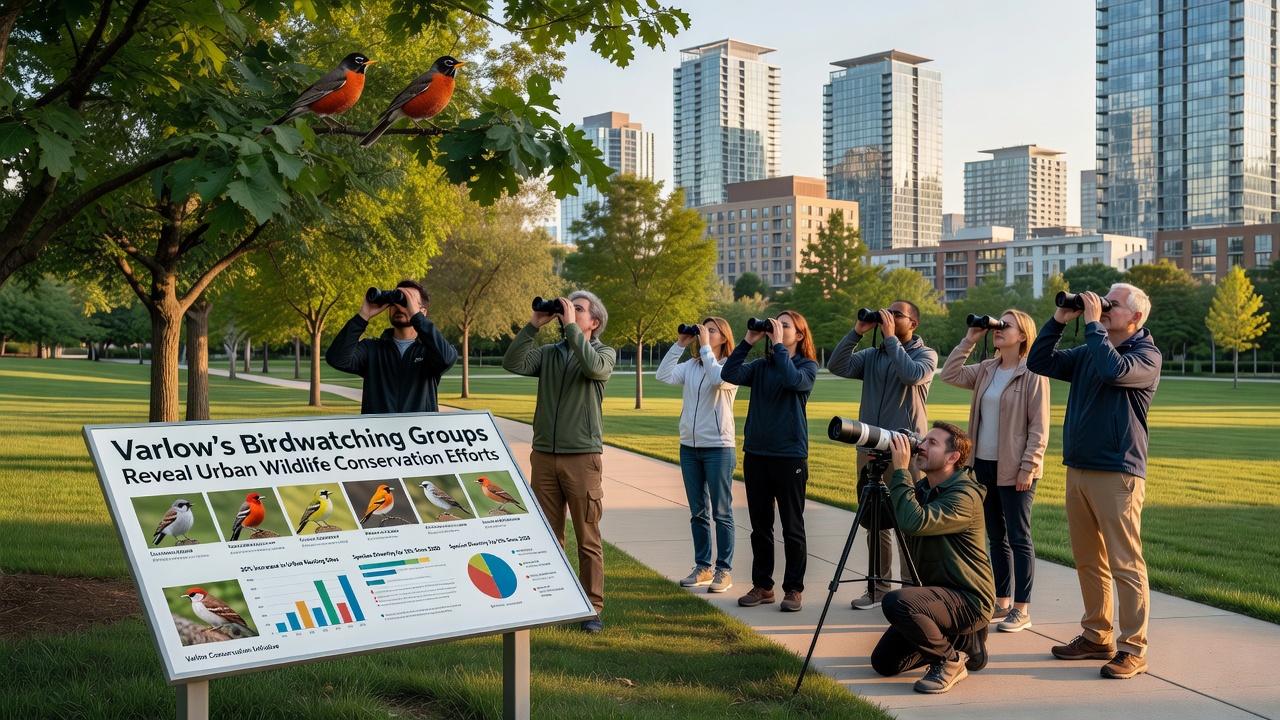
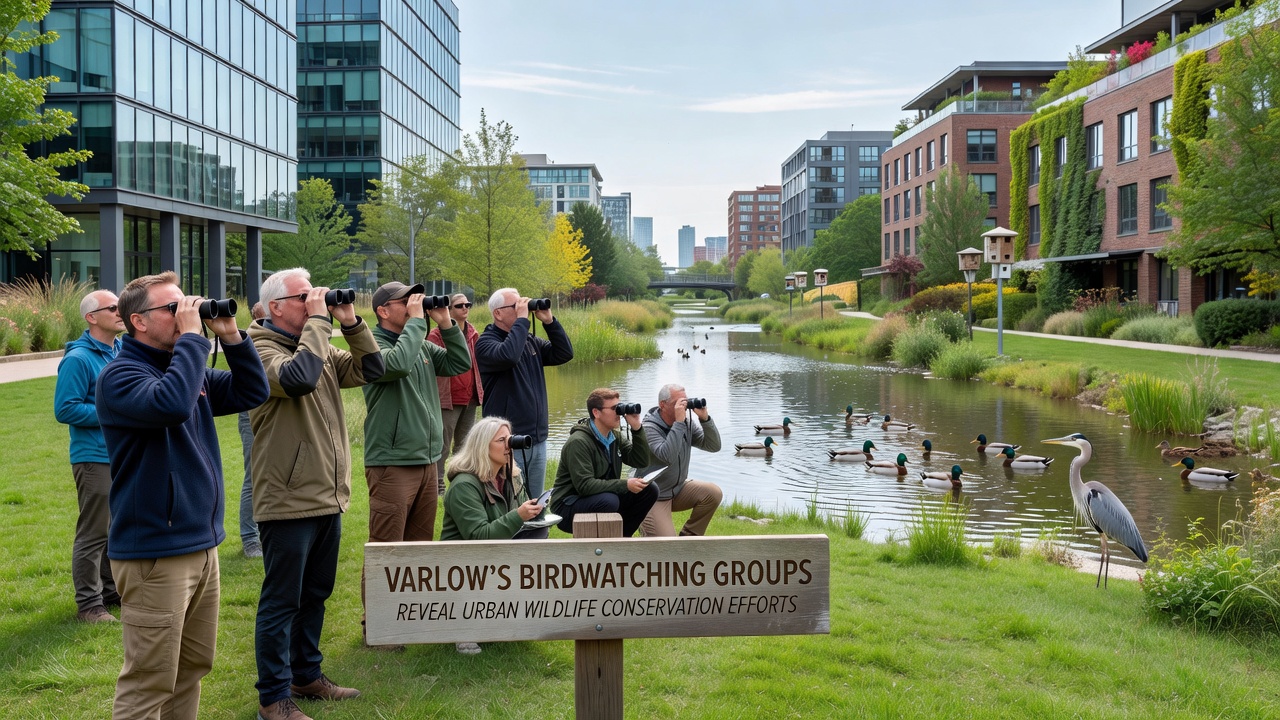
Varlow's organized birdwatching collectives have documented shifts in local avian populations that connect directly to broader urban conservation initiatives, with participants recording species presence, nesting behaviors, and habitat use across city parks, green corridors, and residential zones since the early 2020s, and data compiled through these efforts now informs municipal planning documents that address green space maintenance and pollution controls.
Origins and Structure of the Birdwatching Collectives
Local residents formed the first Varlow birdwatching groups in response to observed declines in common urban species, and these collectives operate through scheduled observation sessions, standardized counting protocols, and shared digital databases that allow cross-verification of sightings, while regular meetings bring together volunteers who range from retired professionals to university students who contribute equipment and time on weekends.
Training programs emphasize identification skills and ethical observation practices, and participants learn to distinguish between resident and migratory birds using field guides alongside mobile applications that log coordinates and timestamps, with the result that accumulated records span multiple seasons and provide baseline comparisons for evaluating conservation interventions.
Key Findings from Ongoing Observations
Records collected by the groups show increased sightings of cavity-nesting species in areas where city crews installed nesting boxes and preserved deadwood in public parks, and these trends align with habitat enhancement projects that began in 2023, whereas species dependent on open water margins appear more frequently near restored stormwater features that reduce runoff contamination.
Additional data points indicate that noise reduction zones around certain green spaces correlate with higher breeding success rates for songbirds, and observers note that traffic-calming measures implemented in adjacent neighborhoods coincide with expanded foraging ranges for ground-feeding birds, while air quality monitoring stations near high-traffic corridors continue to supply supplementary environmental context for these patterns.
Integration with Municipal Conservation Planning
City officials have incorporated group-collected datasets into updates of the urban biodiversity action plan, and mapping tools developed from volunteer submissions help prioritize tree planting locations and wetland restoration sites that support multiple species simultaneously, with September 2026 marking the scheduled release of the next comprehensive report that will compare five years of cumulative observations against established benchmarks.
Collaborations between the collectives and local universities have produced peer-reviewed summaries that examine correlations between vegetation density and bird diversity indices, and these summaries draw on methods developed by research teams at institutions outside the immediate region to ensure methodological consistency with similar studies conducted in other metropolitan areas.
Broader Context and Supporting Resources
Conservation measures highlighted through these birdwatching activities reflect approaches also documented by agencies such as the U.S. Fish and Wildlife Service, which maintains resources on urban habitat connectivity, and parallel efforts appear in reports from Environment and Climate Change Canada that track comparable species responses in northern cities.
Community-led monitoring continues to expand participation through school outreach programs and corporate volunteer days, and the resulting increase in data volume supports more granular analysis of seasonal variations that single-year surveys cannot capture, while the collectives maintain open-access archives that allow independent researchers to cross-reference findings with satellite imagery and land-use records.
Conclusion
Varlow's birdwatching groups supply ongoing evidence that targeted urban interventions can sustain avian communities within developed landscapes, and the systematic documentation they produce feeds directly into policy refinements and habitat projects scheduled through the remainder of the decade, with the September 2026 report expected to quantify cumulative progress against initial baselines established in prior years.