Mara Berger · 2 September 2026
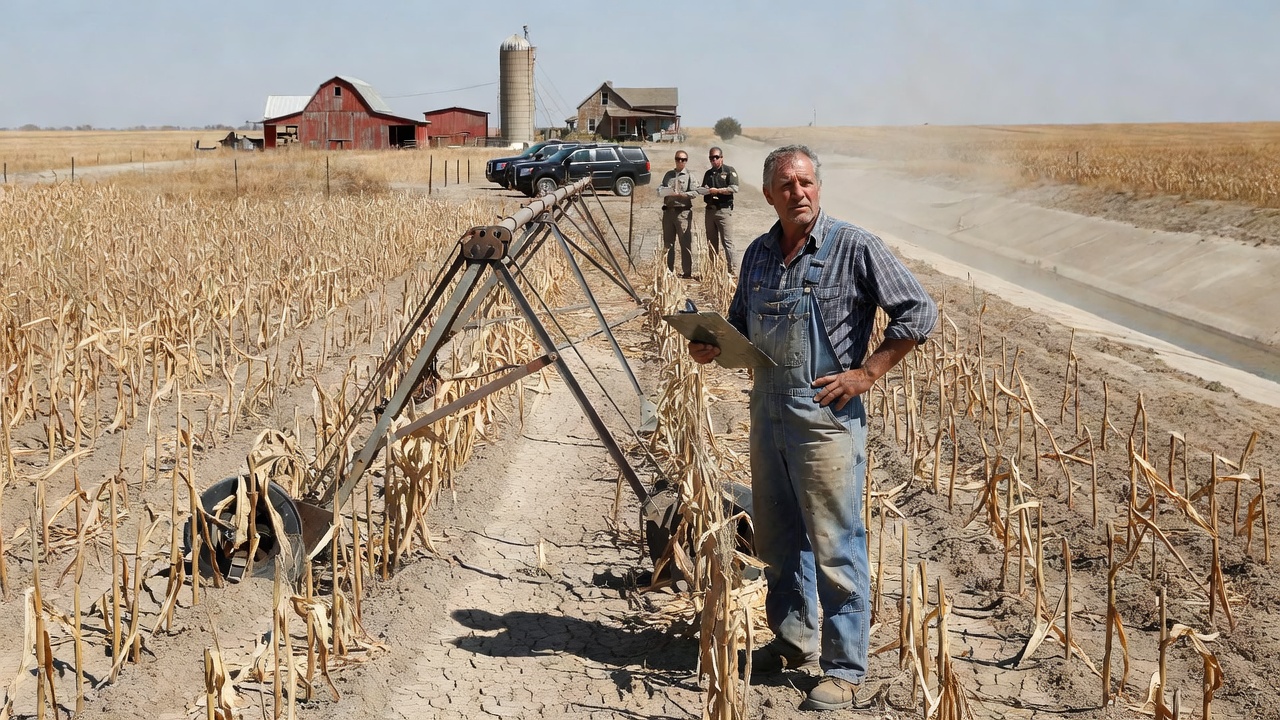
Local agricultural operations in Varlow are adjusting to a series of new water regulations designed to promote sustainability and address water scarcity issues affecting the region. These measures come as the area experiences its third consecutive year of below-average rainfall, prompting officials to take action to protect water supplies for both farming and residential use.
Overview of Regulatory Changes
The regulations mandate that all farms with more than 50 acres must submit detailed water management plans by the end of the quarter. Additionally, there are limits on the amount of groundwater that can be extracted, with allocations based on historical usage data. The county has also introduced a tiered pricing system for water, where higher consumption leads to increased costs. Compliance will be monitored through regular inspections and reporting requirements. Officials believe these steps will help preserve the local aquifer, which has seen significant depletion over the past decade.
Farmers are being encouraged to invest in modern irrigation technologies, such as precision agriculture tools that optimize water delivery to crops. Grants are available for those who qualify, covering up to 30 percent of the installation costs for approved systems. The policy aims to balance environmental needs with the economic viability of the farming sector, which employs a large portion of Varlow's workforce.
Farmer Responses and Potential Challenges
Many local farmers have voiced mixed reactions to the new rules. Some larger operations have already begun implementing changes, citing long-term benefits for resource management. However, smaller family farms worry about the financial burden of upgrades and potential reductions in yield if water access is limited during critical growing periods. Agricultural experts suggest that while short-term adjustments may be difficult, adopting efficient practices could lead to cost savings and improved resilience against future droughts. Community meetings are scheduled to provide guidance and address concerns from stakeholders. The regulations represent a shift towards more responsible water stewardship in Varlow's agricultural landscape.
Studies conducted by the Varlow Environmental Agency indicate that without intervention, water levels could drop to critical lows within five years, threatening not only agriculture but also local ecosystems and drinking water quality.
Alternative water sources, including recycled water for non-edible crops, are being explored as part of the broader strategy.
Overall, the new framework is expected to foster innovation in farming techniques across the county.