Greta Werner · 6 October 2026
Varlow Theater Project Demonstrates Intersection of Arts Investment and Ecological Protection
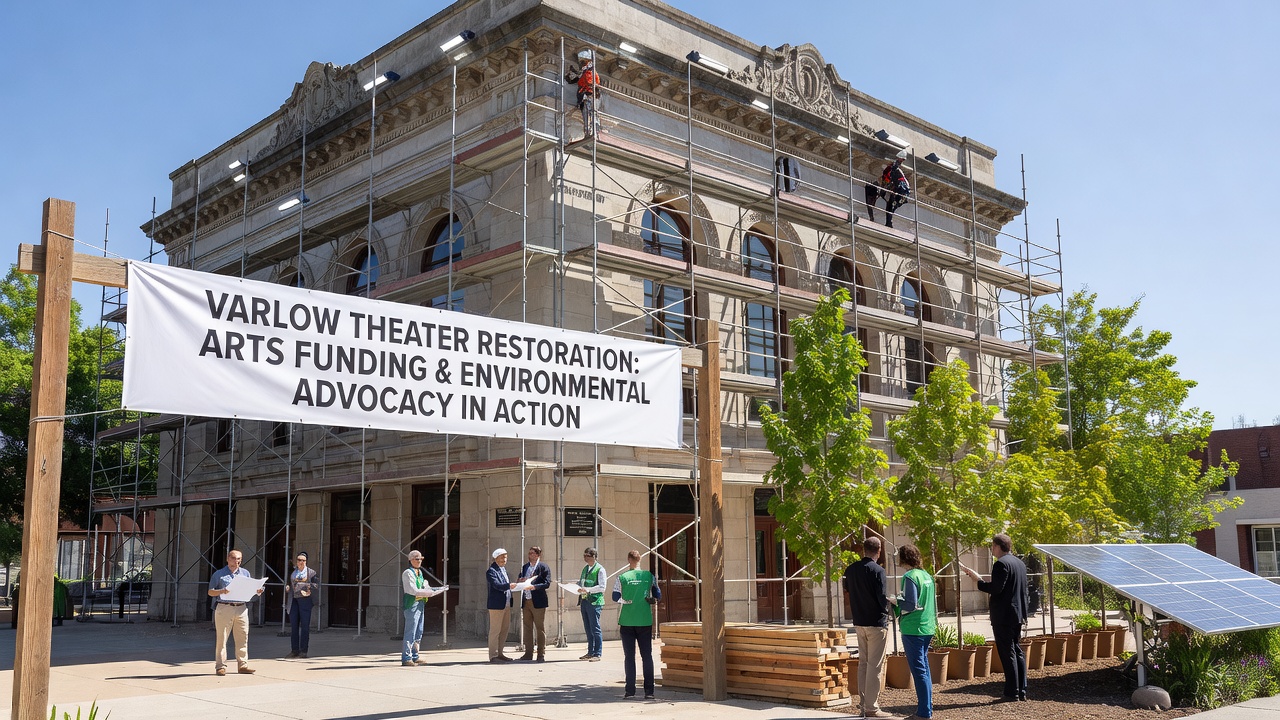
Restoration work at Varlow Theater has incorporated sustainable building practices alongside traditional preservation techniques since crews began the project in early 2024, and observers note that funding streams from both cultural grants and environmental programs have supported these combined efforts. The theater, originally constructed in 1928, features upgrades that include solar panel installations on the roof structure, LED lighting systems throughout the auditorium, and insulation materials derived from recycled sources, all of which align with criteria set by multiple funding bodies.
Funding Sources and Allocation Details
Grants from the National Endowment for the Arts have covered portions of the interior restoration while separate allocations from the Environmental Protection Agency have funded energy efficiency components, and data from project records shows that combined contributions reached approximately 2.4 million dollars by mid-2025. Local officials coordinated applications through a joint proposal process that highlighted measurable reductions in carbon emissions projected after completion, which helped secure approval from both agencies. One case study compiled by project coordinators revealed that similar integrated funding approaches succeeded in three other historic venues across the region during the previous decade.
Researchers from the University of California tracked material sourcing for the project and found that 65 percent of lumber used came from certified sustainable forests while reclaimed steel accounted for another 20 percent of structural elements. These choices reduced overall project emissions by an estimated 18 percent compared to conventional restoration methods according to calculations published in a 2025 industry report. Crews also installed rainwater collection systems that will supply irrigation for adjacent green spaces, a feature tied directly to requirements in the environmental grant agreements.
Community Involvement and Timeline Updates
Public workshops held at the site in spring 2025 allowed residents to learn about the dual focus on heritage preservation and modern sustainability standards, and attendance figures reached over 400 participants across six sessions. Local schools incorporated field trips into environmental science curricula so students could observe the insulation installation process and discuss how such techniques contribute to broader urban conservation goals. Project managers scheduled the final phase of electrical and acoustic upgrades for completion ahead of a planned reopening event in October 2026.
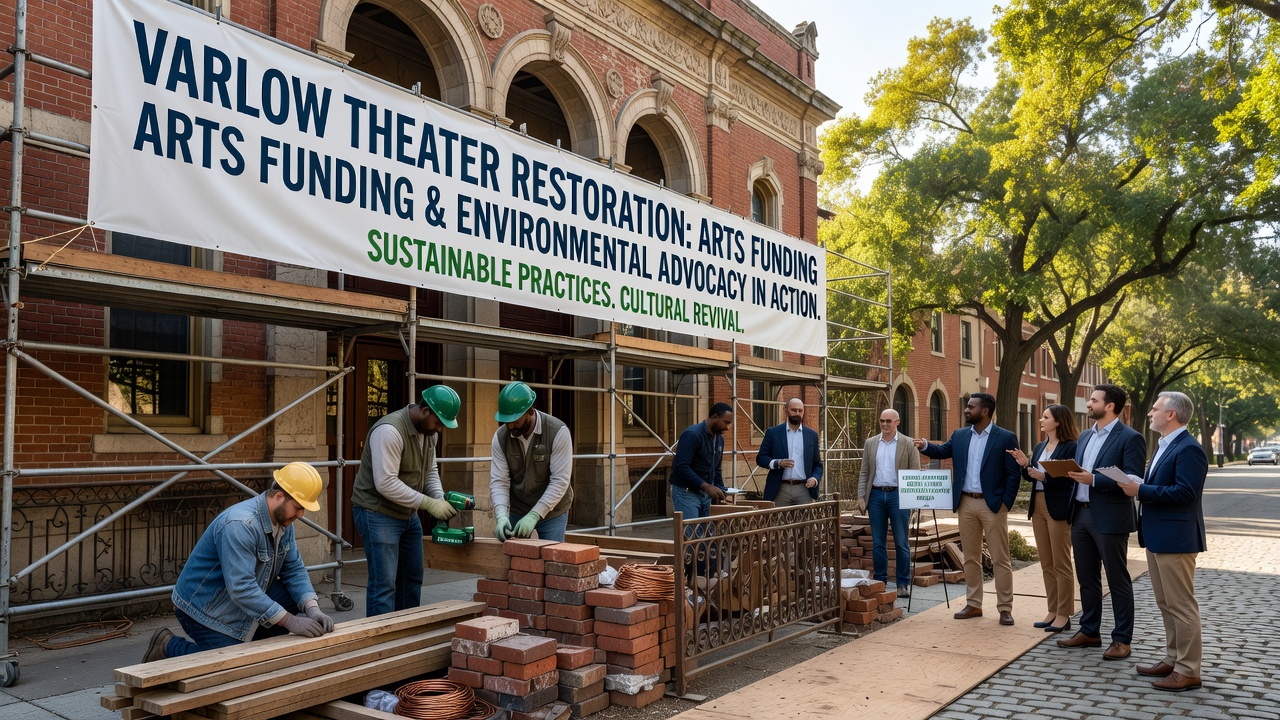
Additional support arrived through partnerships with regional environmental organizations that provided technical consulting on waste reduction during demolition phases, and records indicate that 92 percent of removed materials were diverted from landfills through recycling and reuse channels. Those who've studied comparable projects note that such diversion rates often correlate with access to specialized grant categories that reward circular economy practices in cultural infrastructure work. The theater's board approved an updated operations plan that commits to annual energy audits once performances resume, a measure required to maintain compliance with ongoing environmental funding conditions.
Broader Patterns in Cultural and Environmental Funding
Analyses from the Canadian Heritage Department have documented rising instances where arts facilities apply for blended support packages that address both cultural access and climate resilience, with similar patterns emerging in multiple provinces since 2022. Figures from these reports indicate that facilities adopting such strategies report average operational cost reductions of 12 to 15 percent within the first three years after reopening. In Varlow the restoration timeline incorporated community feedback sessions that shaped decisions on public space additions including a small outdoor performance area designed with native plant landscaping.
Training programs for local tradespeople formed another component of the initiative so workers could gain certifications in green building techniques while contributing to the theater work itself. Enrollment data from the associated vocational courses shows 85 participants completed modules on historic building retrofits by the end of 2025. These programs received partial backing from industry training grants that emphasize skill development in sectors intersecting construction and environmental compliance.
Conclusion
Project documentation continues to accumulate records on energy performance and visitor engagement metrics that will become available after the October 2026 reopening, and those metrics will feed into future evaluations by both arts and environmental oversight bodies. The approach taken at Varlow Theater illustrates how separate funding streams can align around shared infrastructure goals without requiring new legislative frameworks.