Mara Berger · 20 October 2026
Varlow's Electric Bus Rollout Sparks Fresh Debates on Job Training Needs for Local Transit Workers
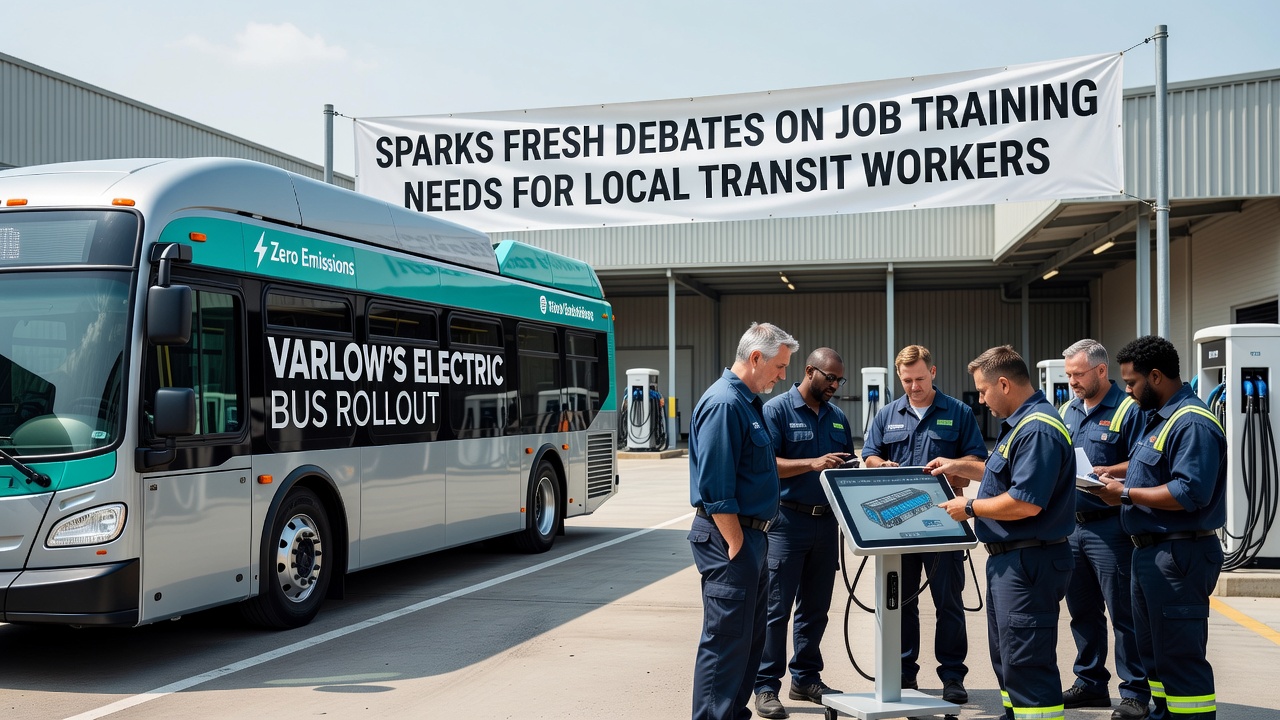
Varlow transit authorities launched a phased introduction of electric buses in October 2026, and that move has drawn attention to the skills gap facing maintenance crews and drivers who previously worked with diesel fleets, while city planners coordinate with union representatives to map out updated certification pathways. The shift involves replacing older vehicles with models that rely on high-voltage battery systems and regenerative braking technology, which changes daily routines for those responsible for inspections and repairs.
Background on the Fleet Transition
Local officials approved the procurement of 120 electric buses through a multi-year contract, and the first batch arrived at the central depot in late 2026, prompting immediate reviews of existing service protocols. Fleet managers noted that each new vehicle carries an 80-kilowatt-hour battery pack and requires dedicated charging stations installed along key routes, which alters how dispatchers schedule shifts and how technicians perform overnight checks. Data from the Varlow Metropolitan Transit Authority shows that diesel buses once accounted for 95 percent of the active fleet, yet electric models now represent 18 percent after the initial deliveries.
Skills Required for Electric Bus Operations
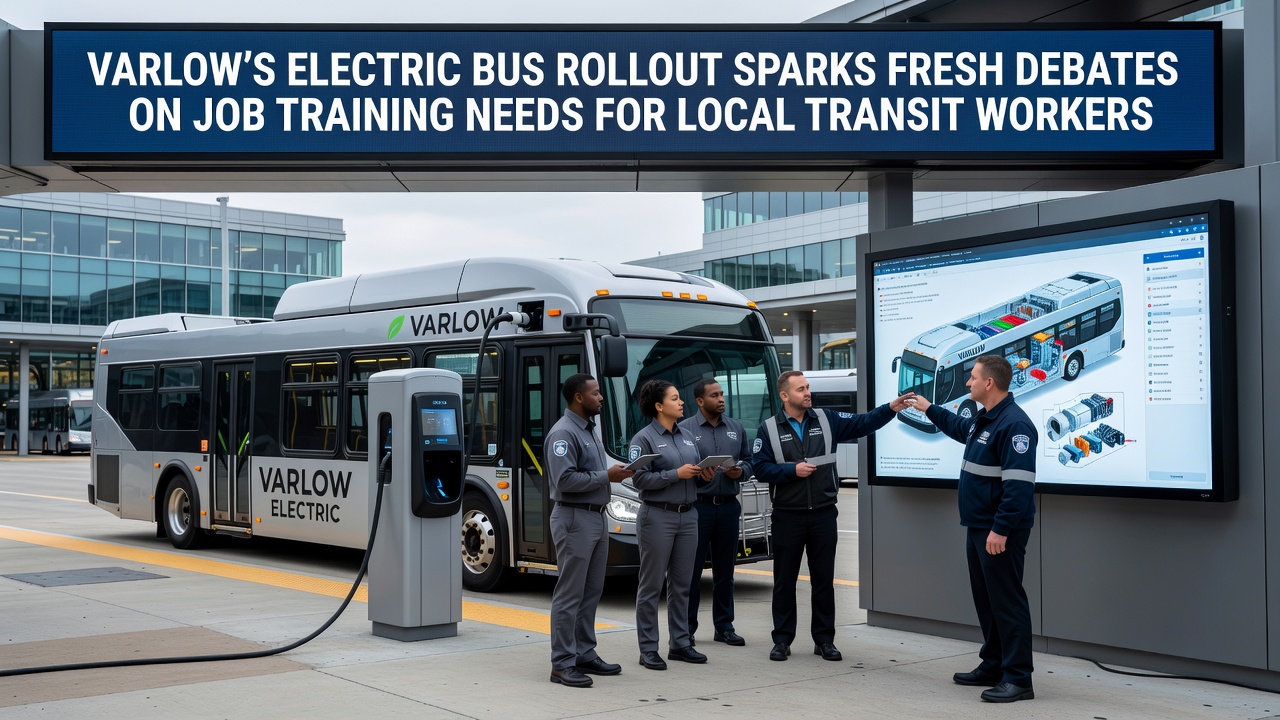
Maintenance staff must master procedures for handling lithium-ion batteries and high-voltage components, whereas traditional diesel mechanics focused primarily on internal combustion engines and hydraulic systems. Training modules cover arc-flash safety, battery thermal management, and diagnostic software that interfaces directly with onboard computers, and these topics rarely appeared in earlier apprenticeship programs. Drivers also encounter new interfaces, including digital displays that track energy consumption and automated alerts for charging levels, which change how they manage routes during peak hours.
Researchers at the University of Melbourne's Transport Research Centre examined similar transitions in Australian cities and found that workers who completed specialized high-voltage certification completed repairs 30 percent faster than those without the training. Observers in Varlow report comparable patterns emerging as the first cohorts finish introductory courses offered through the local community college partnership.
Current Training Infrastructure and Gaps
The Varlow Transit Workers Union has scheduled joint sessions with equipment manufacturers to deliver hands-on workshops, yet enrollment remains limited because many veteran employees balance full-time shifts with family obligations. Community college instructors developed a 120-hour curriculum that combines classroom theory with supervised lab work on decommissioned battery modules, and participants receive credentials recognized by the Federal Transit Administration. Still, only 45 percent of the current maintenance workforce has enrolled so far, according to internal union tallies.
One study released by Transport Canada highlighted that jurisdictions investing in paid training leave saw higher completion rates among mid-career technicians, and Varlow officials are now evaluating whether similar stipends could accelerate local adoption. Meanwhile, charging infrastructure crews require separate certifications for electrical work on 480-volt systems, which adds another layer of coordination between the transit authority and regional utility providers.
Regional Comparisons and Data Trends
Figures released by the European Commission on urban mobility projects indicate that cities completing full electric transitions within five years experienced a 22 percent rise in specialized technician certifications. In Varlow the timeline stretches across eight years, which gives planners more room to phase in coursework but also risks leaving some workers behind if funding priorities shift. Local case studies show that technicians who cross-trained on both diesel and electric systems maintained higher productivity scores during the overlap period when mixed fleets operated side by side.
Industry reports from the Canadian Urban Transit Association emphasize that proactive partnerships between transit agencies and technical schools reduce downtime during the first two years of electric operations. Varlow leaders have begun modeling their approach on those findings, including plans to embed instructors at the depot for after-hours sessions that accommodate rotating shift schedules.
Conclusion
The rollout continues through 2028, and ongoing assessments will track how many workers complete updated certifications before the next procurement cycle begins. City records indicate that budget allocations for training have increased by 15 percent compared with the previous fiscal year, reflecting the scale of the technical adjustment required. As more electric buses enter service, the focus remains on aligning workforce development timelines with vehicle delivery schedules to keep service reliability steady across all routes.